How Community Composting Helps Cut Food Waste
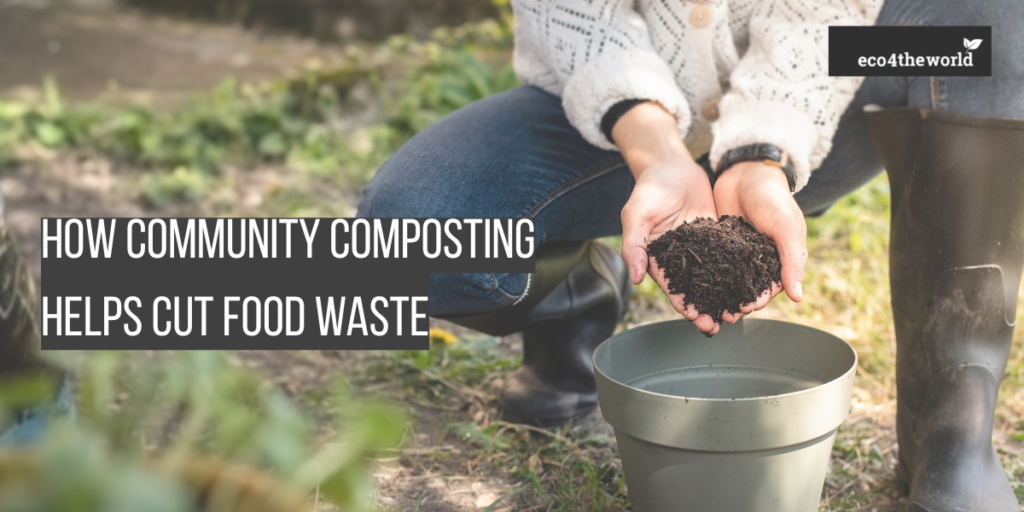
Community composting helps cut food waste by collecting kitchen scraps from local households and converting them into compost for nearby gardens. This simple system keeps organic material cycling through the neighbourhood instead of rotting in a landfill.
Here at www.eco4theworld.com, we’ve spent years exploring practical ways to live more sustainably. And we’ve found that community composting is one of the easiest and most effective solutions to reducing food waste and supporting healthier soil systems.
In this guide, we’ll walk you through how community composting actually works and the benefits of joining a programme. You’ll also learn how to find a hub near you and what to do if there isn’t one in your area.
Read on to understand why this small change has a huge impact on our lives.
How Does Community Composting Help Reduce Food Waste?
Community composting cuts food waste through giving residents a local place to drop off scraps instead of binning them. This way, your banana peels and veggie offcuts get turned into nutrient-rich soil rather than rotting away in a landfill.
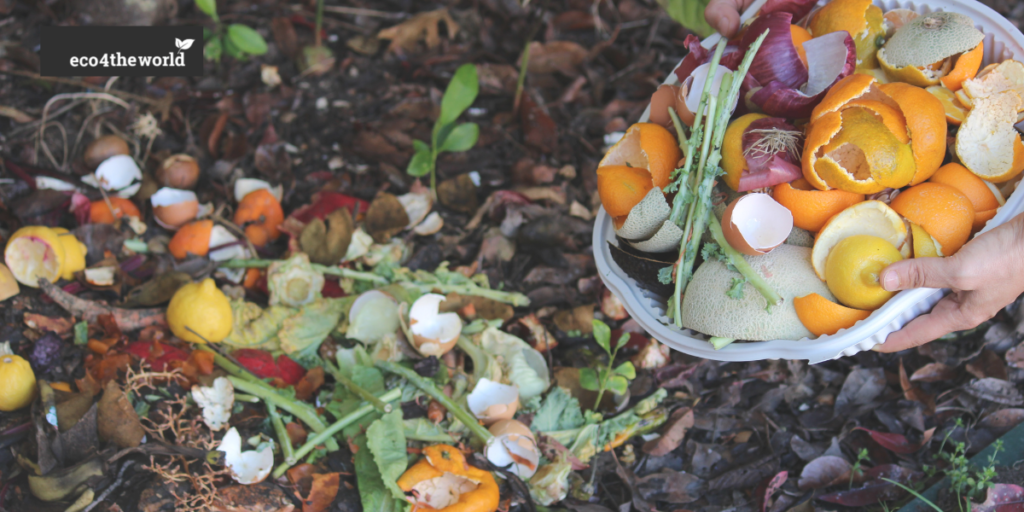
And honestly, it’s one of the easiest ways to reduce what ends up in your red bin.
Here’s how community composting helps reduce food waste:
- Shared Drop-Off Points: Every week, neighbours bring their organic materials to a central hub. Local cafes and small businesses often join in as well, so the whole community works together to make it happen.
- Processes Larger Volumes: These hubs handle way more than your backyard bin ever could. Volunteers keep the piles turning, and as more people join, the hub’s capacity keeps growing (not bad for a local setup).
- Stop Methane at the Source: When food in a landfill breaks down without oxygen, it creates methane. But since composting uses oxygen, those gases never form. Australia sends over seven million tonnes of food waste to landfill every year, so it’s important how it’s handled.
- Keeps Resources Local: The finished compost stays in the neighbourhood. It goes to community gardens and local farms, and residents can even grab some for their own soil. That’s a proper closed loop, basically.
- Works for Renters and Apartments: You don’t need a backyard to get involved. Just drop your scraps at the hub whenever it suits you. Luckily, Brisbane hubs welcome families and first-timers, and you can register online and grab a free caddy from your local ward office.
The system works because it’s local, simple and shared. That’s what makes it sustainable in the long run.
What Are the Benefits of Joining a Community Composting Programme?
Joining a community composting programme helps you reduce landfill waste, improve local soil, and connect with neighbours. It’s practical, it’s free to join in most areas, and the benefits go well beyond your own backyard.
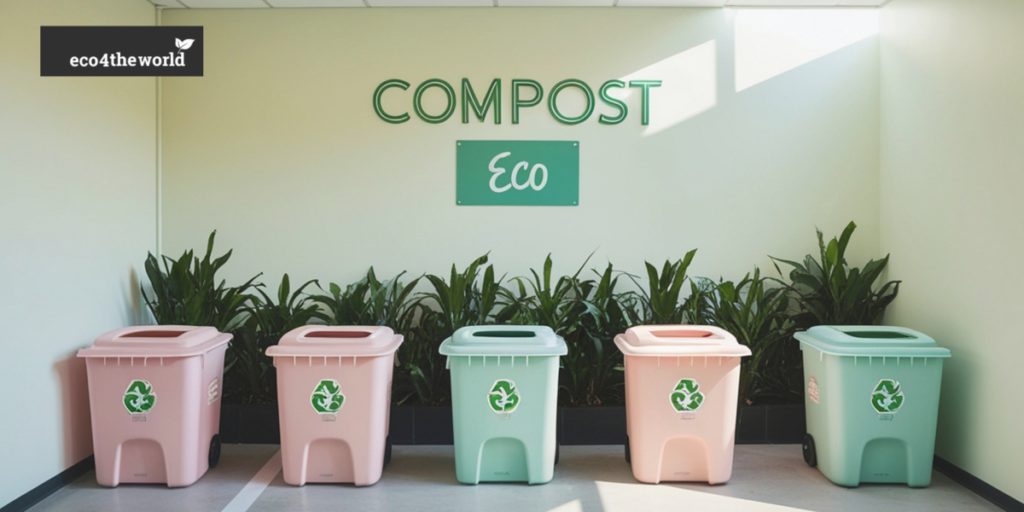
Let’s get into more detail about the advantages of joining a community composting programme.
Reduces Greenhouse Gas Emissions
As we mentioned earlier, food rotting in a landfill creates methane. This greenhouse gas is twenty-eight times more harmful than carbon dioxide. When organic waste breaks down without oxygen (which is what happens underground in a landfill), it releases methane into the atmosphere.
But composting flips that process. It breaks down food scraps with oxygen, so the methane never forms in the first place. As more households take part, the city’s overall carbon footprint gradually drops.
Creates Nutrient-Rich Soil for Gardens
The compost produced at hubs feeds community gardens and helps grow fresh, healthy produce for locals. It’s because finished compost is packed with nutrients that improve soil structure, drainage, and water retention.
Specifically, community gardens across Brisbane use this compost to grow vegetables and herbs for residents. Healthy soil also holds moisture better, which builds resilience during dry spells. That means the benefits keep compounding season after season.
Pro tip: Combine compost with biochar to improve long-term carbon storage and nutrient retention in sandy soils.
Builds Skills and Community Connections
Beyond the environmental perks, joining a hub is a great way to meet people and learn new skills. Most hubs run free workshops where neighbours learn composting basics together.
In fact, volunteering at a hub puts you in touch with like-minded locals. At Northey Street City Farm in Windsor, for example, volunteers work side by side turning piles and chatting about everything from worm farms to veggie patches (guaranteed fresh air and good company).
Many participants say the experience inspires them to reduce waste at home, too. As you can see, it has a bit of a ripple effect.
See also: Advantage of Custom Corrugated Packaging Boxes for Businesses
How to Find and Join a Compost Hub Near You
You can find and join a compost hub by checking your local council website, visiting community gardens, or using apps. Once you know where to look, getting started takes about five minutes.
You can start with any of the following:
- Check Your Local Council Website: Most councils list registered hubs and offer free kitchen caddies to participants. For instance, Brisbane City Council lists 26 community composting hubs across the city. You can register online, then collect a free caddy from your local ward office.
- Use the Peels App: This free app connects you with nearby compost hosts who accept kitchen scraps. It’s especially handy for rural or remote areas without council infrastructure. Peels replaced ShareWaste (which shut down in late 2024) and works right across Australia.
- Visit Nearby Community Gardens: A lot of gardens run a compost bin or worm farm onsite, and they’re usually happy to have locals contribute. Drop in during open hours and have a chat. Some gardens also host workshops and welcome new volunteers on a regular basis.
- Register and Attend a Workshop: Free workshops teach you what organic materials hubs accept (and what to leave out). In particular, you learn how the composting process works and how to avoid contamination. Even one session can help you feel confident before your first drop-off.
- Ask About Council Rebates: If you’d rather compost at home, some councils offer decent money back. Brisbane residents can claim up to $100 on compost bins or worm farms and up to $200 on food waste dehydrators. Check your council website for current details and eligibility.
We recommend choosing an option that connects you with people nearby. These efforts work best when the community is actively involved.
What If There’s No Compost Hub in Your Area?
If there’s no hub nearby, you’ve still got options like asking a neighbour with a chook pen, dropping scraps at a local school, or trying bokashi composting at home.
Have a wander down your street and ask around. Since plenty of people have a chook pen or tumbler in the backyard and would be more than happy to take your kitchen scraps. They just never get asked, that’s all.
Schools are another option. If there’s a veggie garden on the grounds, chances are the teachers running it need a steady flow of organic material. Dropping off a caddy once a week is no big deal, and the kids get a lesson in sustainability while they’re at it.
Now, if you’d rather keep things in-house, bokashi works well for small spaces. It ferments scraps in a sealed bucket (so minimal smell and no flies), and once it’s full, you bury the contents in a garden bed or pass it on to someone with a bit of yard space.
Practical takeaway: Use a sealed container with a charcoal filter indoors to control odour before drop-off.
Your Next Step Towards Less Food Waste
Community composting is one of the simplest ways to keep food scraps out of landfills and put them to good use. To do that, you don’t need a big backyard or fancy equipment. Just a kitchen caddy and a nearby hub (or a willing neighbour) are enough.
If you’re in Brisbane, head to the Brisbane City Council website to find your nearest hub and register. Grab a free caddy, drop off your scraps once a week, and you’re already part of the solution.
And if there’s no hub close by, try the Peels app or ask around your street. Someone’s bound to have a compost bin or chook pen that could use a top-up.For more practical tips on living sustainably, head over to our other guides at eco4theworld. You’ll find clear, actionable advice you can start using immediately.